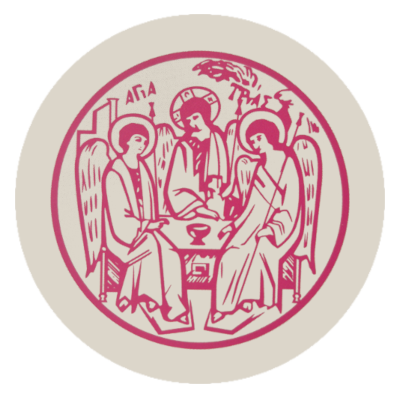
For the icon to fade before the Presence
Article summary proposed by the Contacts review with LLM assistance
This article by Noël Ruffieux offers a theological and historical study of the dialectical relationship between iconodulia and iconophobia in the Christian tradition. Adopting both a historical and speculative approach, the author traces four moments of crisis surrounding the image — the Byzantine controversy of the eighth and ninth centuries, the Western medieval transformations, the iconoclasm of the Reformation, and abstract painting in the twentieth century — to show that the contestation of the icon has constantly compelled the Tradition to refine its own theology. The central idea is that the icon, far from being an end in itself, is a symbolic path that effaces itself before the divine Presence, distinct in this regard from the Eucharist, where the sign is the reality. The theological contribution lies in the demonstration that iconophobia, paradoxically, helps to purify the veneration of icons, to preserve their mediating function, and to recall their fundamental humility before the Prototype.
This article has not been translated yet — it is available in its French version here.
The rest of this article is reserved for subscribers of the Contacts review.
Subscribe to read more
Digital subscription · Immediate access to the Contacts library